Secure the Future of the Limestone Coast
Our mission is to protect the prime agricultural land and unique biodiversity of the Limestone Coast from the threats of open-cut strip mining.
Show your support
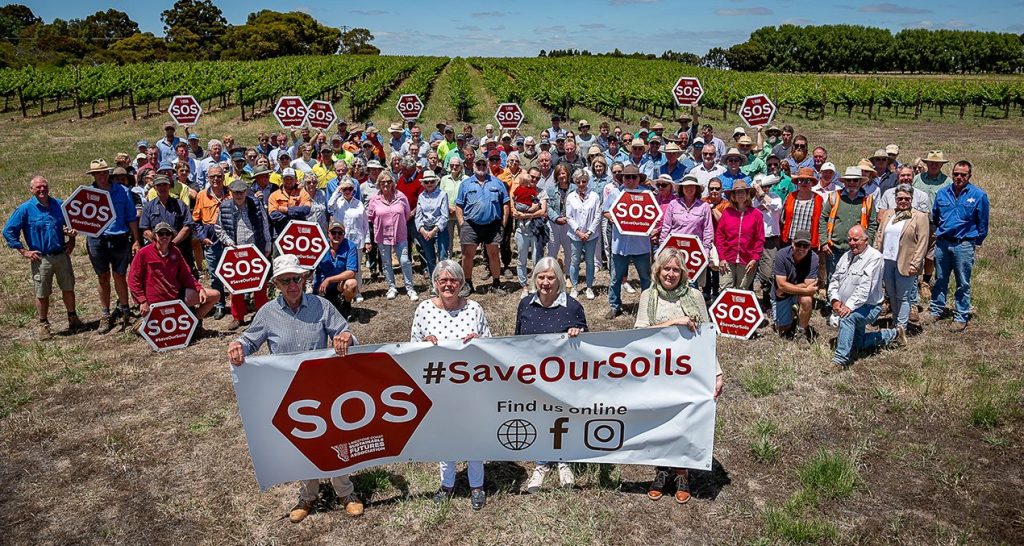
with a SOS sign.
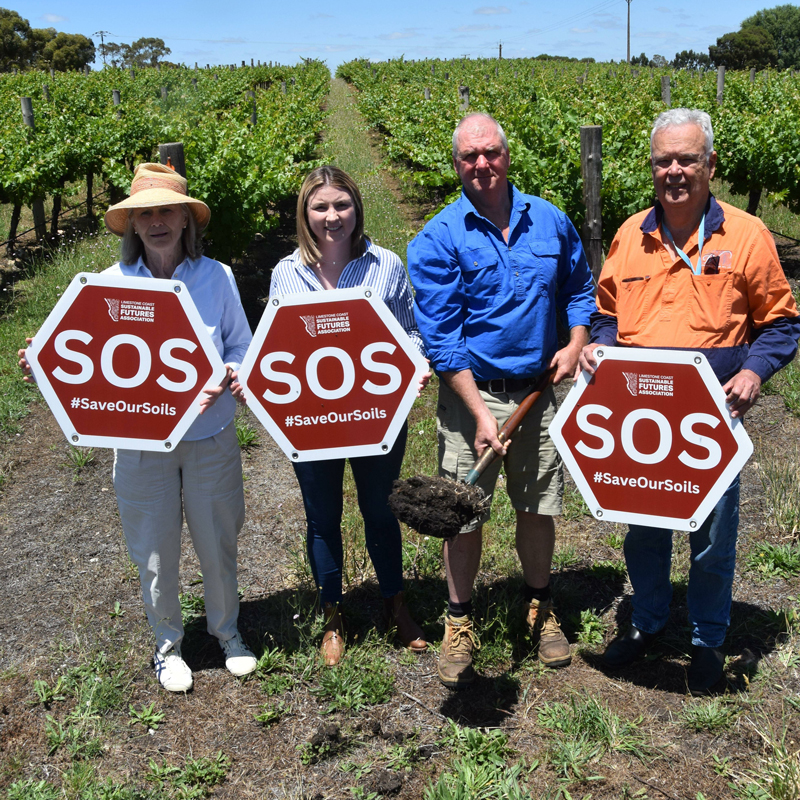
You can purchase a LCSF Save Our Soils (SOS) sign to display in your business, home or on your property fence. This helps us to ensure our message is heard loud and clear around the region and in the halls of Parliament.
“I believe the greatest risk of the project to landholders is the complete destruction of the topsoil.
Dr Glenn Harrington, Director and Senior Principal Hydrologist, Water Technology Limited

Our Request of Government
The Limestone Coast Sustainable Futures Association is seeking an exemption from rare earth mining in the Limestone Coast.
It calls on the State Government to commission an independent, science-based vulnerability assessment before any mining licence can proceed.
The assessment would examine:
- Risks to Lower Limestone Coast groundwater, including confined and unconfined aquifers.
- How well rehabilitation methods work in this landscape.
- Long-term changes to topography, drainage, wetlands and groundwater-dependent ecosystems.
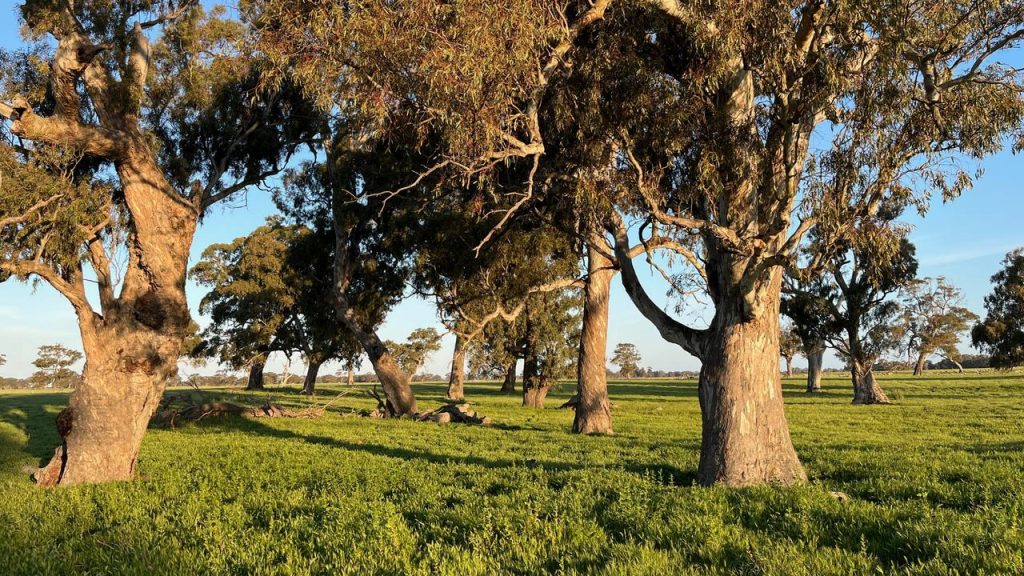
- Impacts on local flora, fauna and cultural assets such as redgum eucalypts.
- Public health risks linked to potential radioactive exposure through water, soil and air.
- Economic and social impacts compared with the region’s food and fibre sector.
- Opportunities for rare-earth recycling to reduce the need for strip-mining.

What is Strip Mining
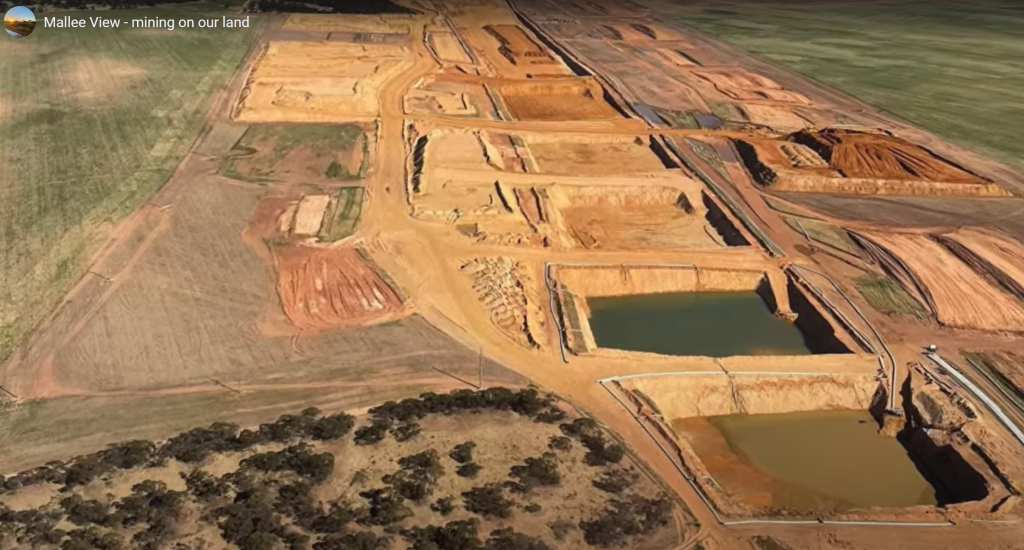
Strip mining sees the removal of all surface trees, vegetation and infrastructure, as well as all soil and sub-surface materials down to the limestone.
The rare earth minerals are extracted from the clay layer sitting above the limestone, using acid, and the land profile is then artificially reconstructed.
This process, in productive pastured and cropping soils, raises significant concerns regarding the destruction of the soil’s natural characteristics and overall environmental integrity.
“I believe the greatest risk of the project to landholders is the complete destruction of the topsoil.
Whilst there are claims that topsoil will be replaced after mining, there is absolutely no acknowledgement of the timeframe required for development of a mature soil structure, nor its hydraulic properties for water holding capacity.
This means the productivity and drainage characteristics of the replaced soil will likely be damaged for decades after mining has left what they deem to be a rehabilitated site.”
Dr Glenn Harrington, Director and Senior Principal Hydrologist, Water Technology Limited
Sign Up To
Stay Informed!
If you would like to stay informed and receive updates from the Limestone Coast Sustainable Futures Association on events, media releases and latest news, please provide the details in the form provided.

Media & Announcements
Find all our media releases regarding Limestone Coast Sustainable Futures and our activities.

Contact Us
If you would like more information regarding Limestone Coast Sustainable Futures, please contact us on the email below.